Introduction
Artificial Intelligence (AI) is transforming industries across the globe, and education is no exception. From personalized learning to automated grading and intelligent tutoring systems, AI is enhancing how students learn and how educators teach. In this blog post, we explore how AI is shaping the future of education, the technologies leading this transformation, and what it means for students, teachers, and institutions.
The Growing Role of AI in Education
AI in education isn’t just a concept—it’s already in action. Leading edtech companies are integrating AI into digital platforms to improve engagement, track progress, and tailor content to individual learning needs.
Some core ways AI is impacting education include:
- Adaptive Learning: Platforms like Khan Academy and Duolingo use AI to adjust content based on the learner’s progress.
- Virtual Tutors: AI-powered chatbots and virtual assistants offer 24/7 support, helping students with homework or explaining complex concepts.
- Smart Content: AI tools like Socratic by Google generate study guides, flashcards, and summaries to aid retention.
Personalized Learning at Scale
One of the most revolutionary applications of AI in education is personalized learning. Traditional classroom models often struggle to cater to each student’s unique pace and style. AI enables customized pathways, recommending materials that fit a learner’s needs based on performance data.
Example: Platforms such as DreamBox Learning use machine learning algorithms to adapt math lessons in real time, ensuring students aren’t overwhelmed or under-challenged.
This scalability makes AI a powerful tool for closing achievement gaps, especially in under-resourced educational environments.
Automation of Administrative Tasks
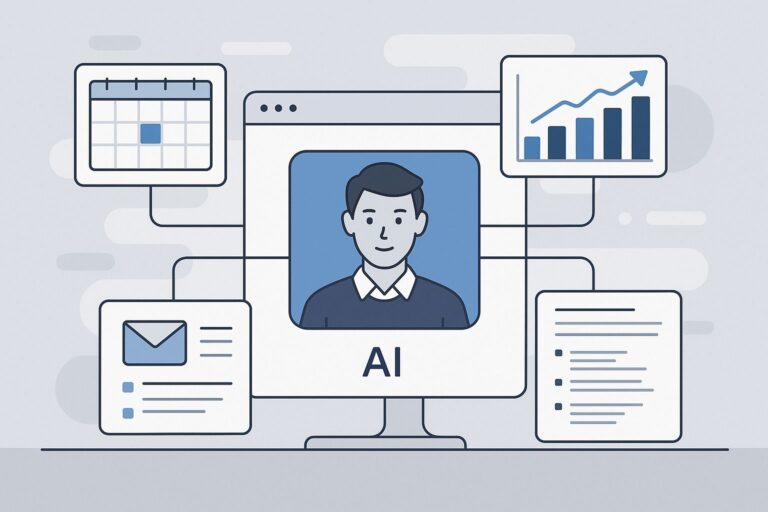
Educators often face a heavy administrative burden—grading, scheduling, and responding to routine queries consume hours each week. AI can automate many of these processes.
- Automated Grading: Tools like Gradescope allow educators to automate grading of assignments and exams.
- Email Assistants: AI tools help manage and respond to student emails, freeing up time for teachers to focus on instruction.
This automation not only improves efficiency but also reduces burnout among educators.
AI in Special Education
AI holds immense promise for special education. Custom AI applications can offer speech-to-text services, real-time translations, and adaptive devices for students with disabilities.
For example, Microsoft’s Immersive Reader enhances reading comprehension for students with dyslexia and other learning differences. These innovations promote inclusivity and equal opportunity in the classroom.
Challenges and Ethical Considerations
While AI in education brings innovation, it also raises important ethical concerns:
- Data Privacy: Student data must be protected against misuse or breaches.
- Bias in Algorithms: Algorithms trained on biased data can perpetuate inequalities.
- Over-Reliance on Technology: Balancing AI use with human interaction is crucial for emotional and social development.
Institutions must implement ethical guidelines and choose transparent AI tools to mitigate these risks.
The Future of AI in Education
The global AI in education market is projected to grow to $30 billion by 2032, according to Grand View Research. As innovation accelerates, we can expect:
- Immersive Learning Experiences: Integration with AR/VR will create engaging virtual classrooms.
- Predictive Analytics: AI will forecast student outcomes and provide early intervention strategies.
- Global Access to Quality Education: AI-powered apps are breaking down geographical and language barriers, democratizing education worldwide.
Top AI Tools in Education
Here are some top-rated AI-powered tools currently transforming the classroom:
| Tool | Description | Website |
|---|---|---|
| Knewton Alta | Personalized higher ed learning platform | knewton.com |
| Squirrel AI | Intelligent adaptive learning for K-12 | squirrelai.com |
| Quillionz | AI that helps create quizzes and assessments | quillionz.com |
| Knowji | AI-powered vocabulary learning app | knowji.com |
Final Thoughts
The impact of AI in education is undeniable. By personalizing learning, automating tasks, and enhancing accessibility, AI is creating a smarter, more inclusive future for learners everywhere.
As the technology evolves, educators and policymakers must work together to ensure AI is used ethically and effectively. Done right, AI has the potential to unlock every student’s full potential and transform education as we know it.