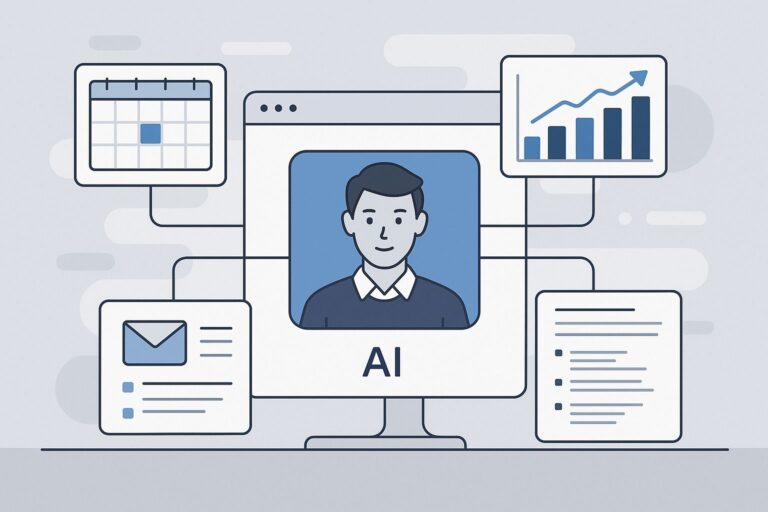
Artificial intelligence is no longer just a buzzword — it’s actively transforming the way brands connect with their audiences. From personalized recommendations to automated ad campaigns, AI has carved out a central role in modern digital marketing. As we navigate 2025, understanding how AI is changing online marketing can give businesses a significant edge.
1. Smarter Customer Targeting
Traditional marketing methods relied heavily on assumptions and basic demographics. AI, however, enables laser-focused targeting. By analyzing user behavior, browsing patterns, and purchase history, AI tools help marketers reach the right people at the right time — with the right message.
Platforms like Google and Facebook use machine learning algorithms to help advertisers place ads in front of potential buyers who are more likely to convert. These algorithms are constantly learning and optimizing based on real-time data.
2. Personalized User Experiences
AI has taken personalization to new heights. It can tailor email campaigns, website content, and product recommendations based on user preferences. Whether it’s Netflix suggesting your next binge-worthy series or Amazon recommending a product, AI is the power behind the personalization engine.
In marketing, this translates into more relevant content, higher engagement rates, and ultimately better conversions.
3. AI-Generated Content
With tools like ChatGPT, Jasper, and Copy.ai, marketers can now create blog posts, ad copy, and even video scripts faster than ever. These AI-powered tools help save time and boost creativity, allowing teams to scale their content marketing without sacrificing quality.
While AI can’t replace human creativity, it excels at first drafts, content ideation, and repurposing content across multiple platforms.
4. Predictive Analytics
AI’s ability to predict user behavior is a game changer. Predictive analytics use historical data and machine learning to forecast future trends, identify high-value leads, and determine optimal marketing strategies.
Marketers can now anticipate customer needs, plan promotions more effectively, and even reduce churn by identifying users at risk of leaving.
5. Chatbots and AI Customer Service
Customer service has been revolutionized by AI-powered chatbots. These bots offer 24/7 assistance, answer common questions, and help guide customers through the sales funnel. Tools like Intercom, Drift, and Zendesk AI allow businesses to scale support without increasing costs.
AI bots can also capture lead information, schedule appointments, and even upsell products — all with natural, human-like conversation.
6. Dynamic Pricing and Optimization
AI helps e-commerce businesses automate pricing strategies by analyzing competitor prices, demand levels, and customer behavior. This ensures optimal pricing that maximizes profit while remaining competitive.
Marketers can also optimize ad spend automatically. Platforms like Google Ads use AI to adjust bids and placements in real-time to get the best ROI.
7. Visual Recognition and Trend Spotting
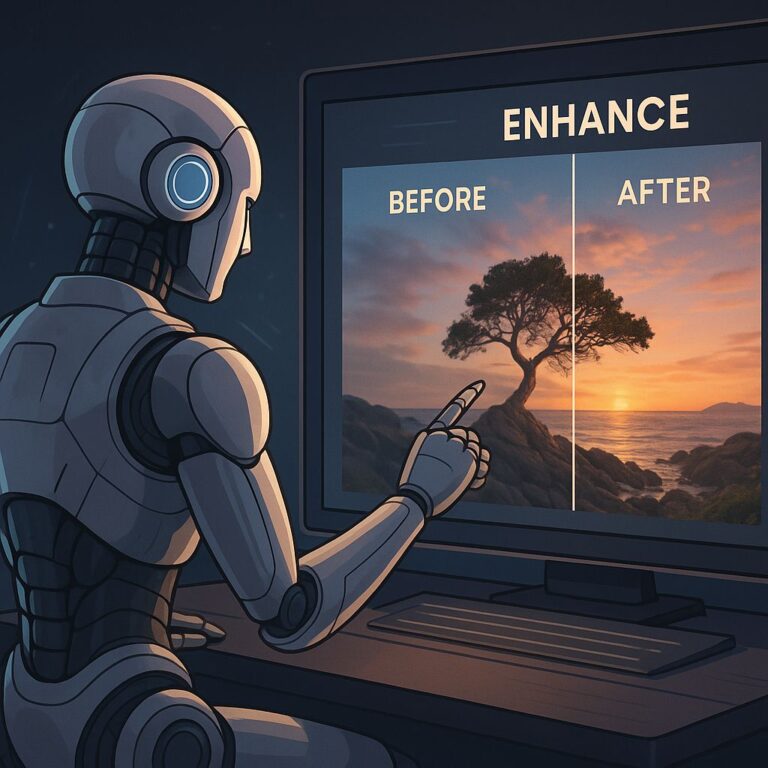
AI-powered image and video recognition tools allow brands to analyze social media visuals and identify trending topics. This helps marketers jump on viral trends faster and create relevant content that resonates with audiences.
Tools like Canva Magic Design or Adobe Firefly are making it easier to generate branded visuals using AI as well.
Final Thoughts
AI is not just a tool — it’s a revolution in how we approach online marketing. It helps marketers work smarter, personalize experiences, and make data-driven decisions faster than ever. For businesses looking to stay competitive, integrating AI into their marketing stack is no longer optional — it’s essential.
As the tech continues to evolve, those who adopt AI early and effectively will be the ones leading the pack in the digital landscape of tomorrow.